Texas needle grass (Nassella leucotricha) and Chilean needle grass (Nassella neesiana) are considered some of Australia’s worst weeds — vigorous, hard-to-control grasses named for their prolific, needle-like seeds that are well-adapted for burrowing into skin. Difficult to control, they overtake native species in natural areas and cause extensive damage to livestock when they invade pastures.
While these needle grasses have not yet been found in the Huon Valley, they occur on roadsides, pastures, and in urban areas as close as Hobart. Prevention is key to protecting the valley from the impact of these weeds. Reports from the public can be key to controlling new infestations before they establish.
Why are needle grasses a problem?
Texas and Chilean needle grasses pose serious risks to agriculture, the environment, and livestock:
- Highly invasive — Vigorous growers that quickly overtake native species in natural areas and disturbed sites.
- Threat to livestock — Needle-like seeds are well-adapted for burrowing into skin, fleece, and eyes, causing significant injury and losses to stock.
- Prolific seed production — Seeds are produced not only in the flowering head, but also within the stem and at the base of the plant, making control and eradication difficult.
How to identify needle grasses
Grasses can be tricky to identify, and weedy needle grasses can resemble native spear grasses. Look for the following key features:
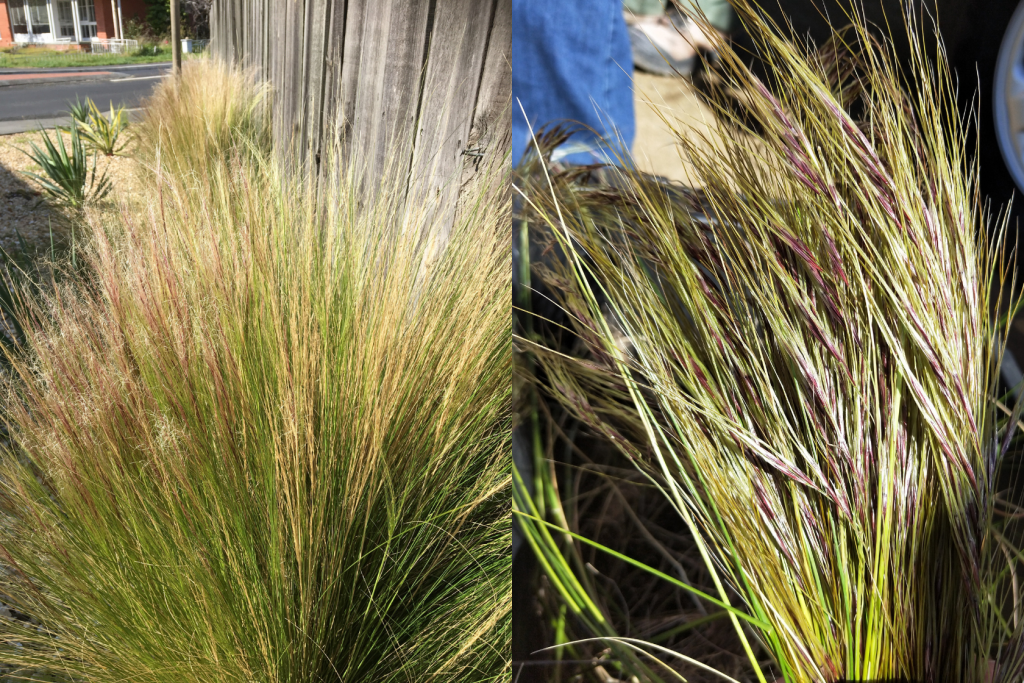
- Seed heads: Flowering seed heads are a distinctive purplish colour.
- Corona: The presence of a skirt-like ‘corona’ at the base of the seed is a key identifying feature.
- Additional seeds: Seeds are produced not only in the flowering head, but also within the stem and/or at the base of the plant.
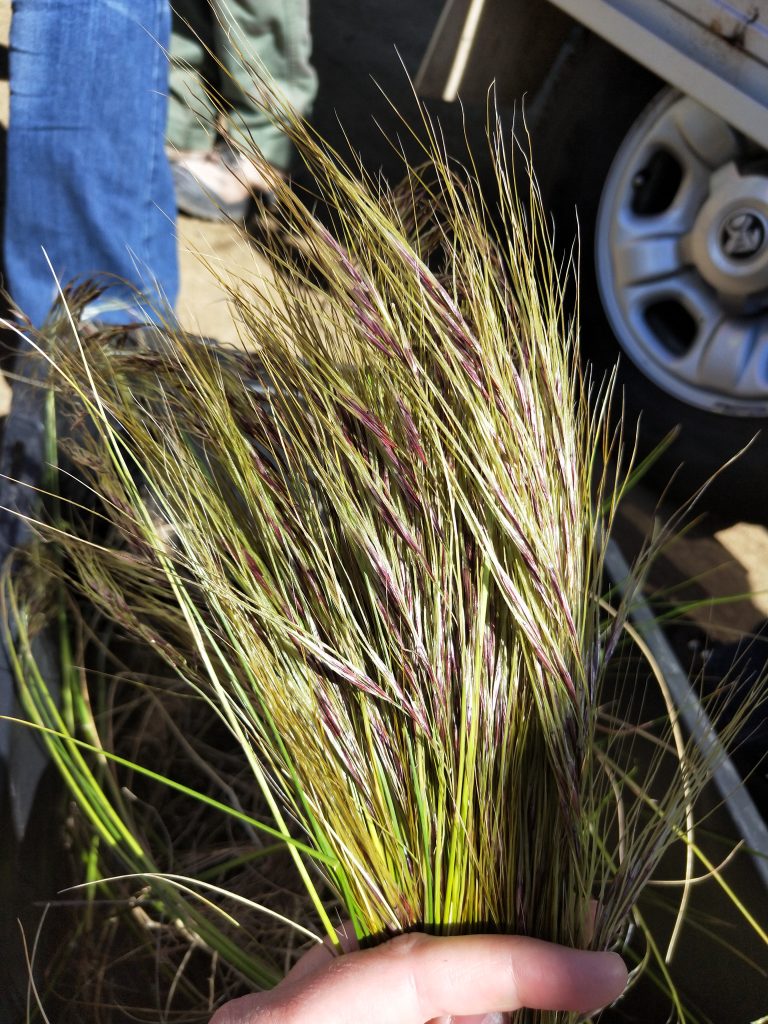
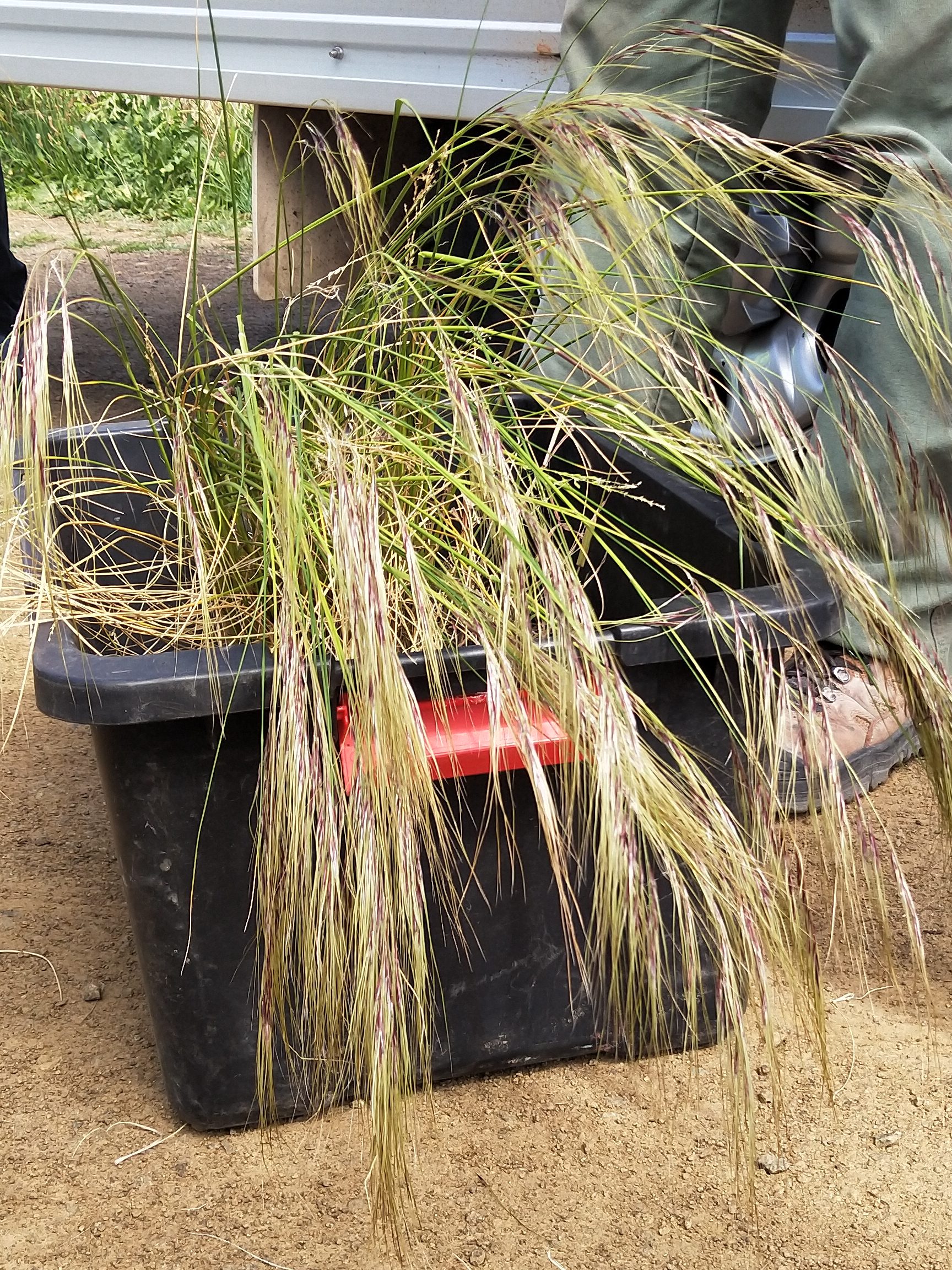
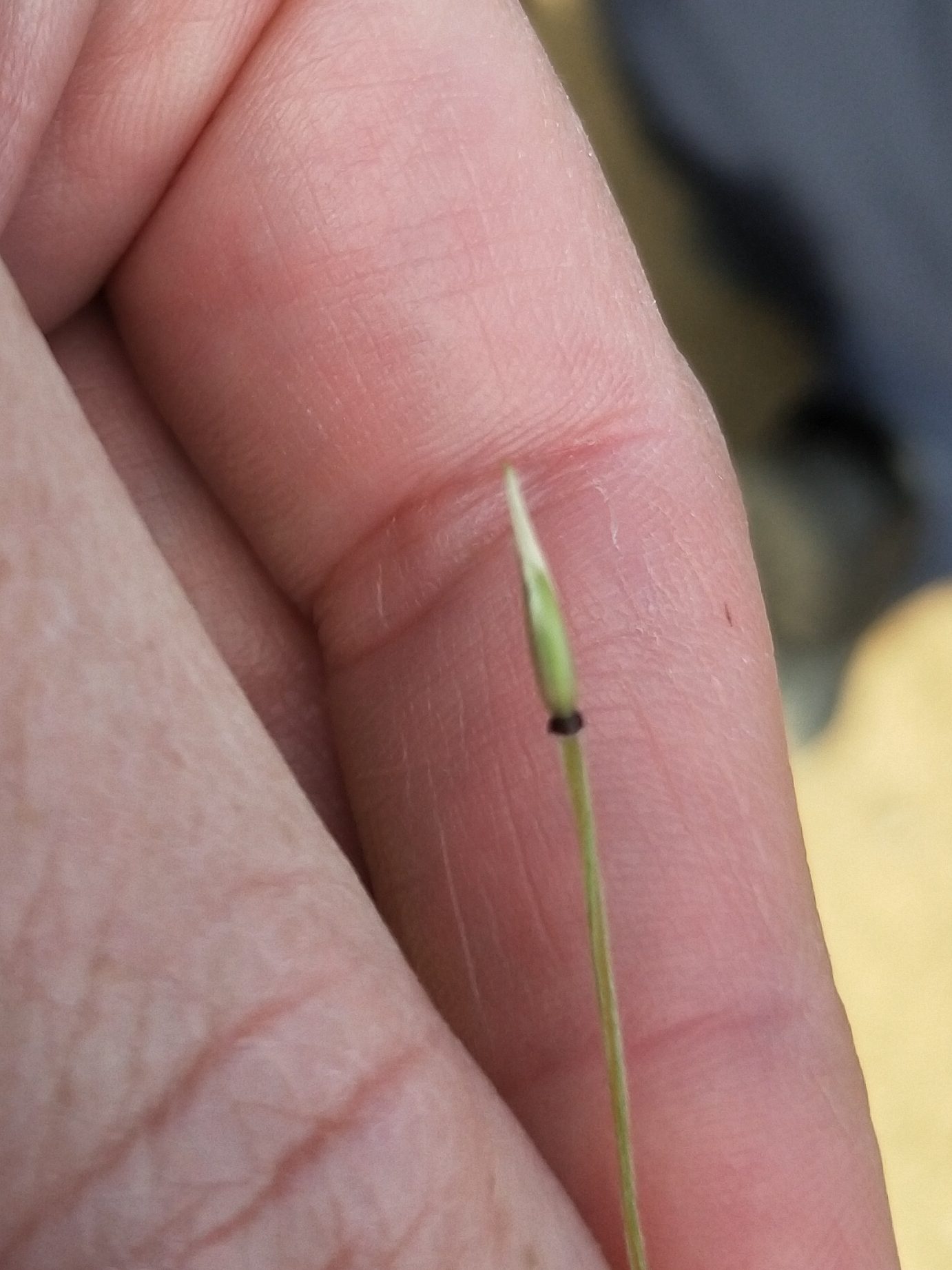
Photos above: Chilean needle grass in bunches and Chilean needle grass seed showing the distinctive skirt-like ‘corona’.
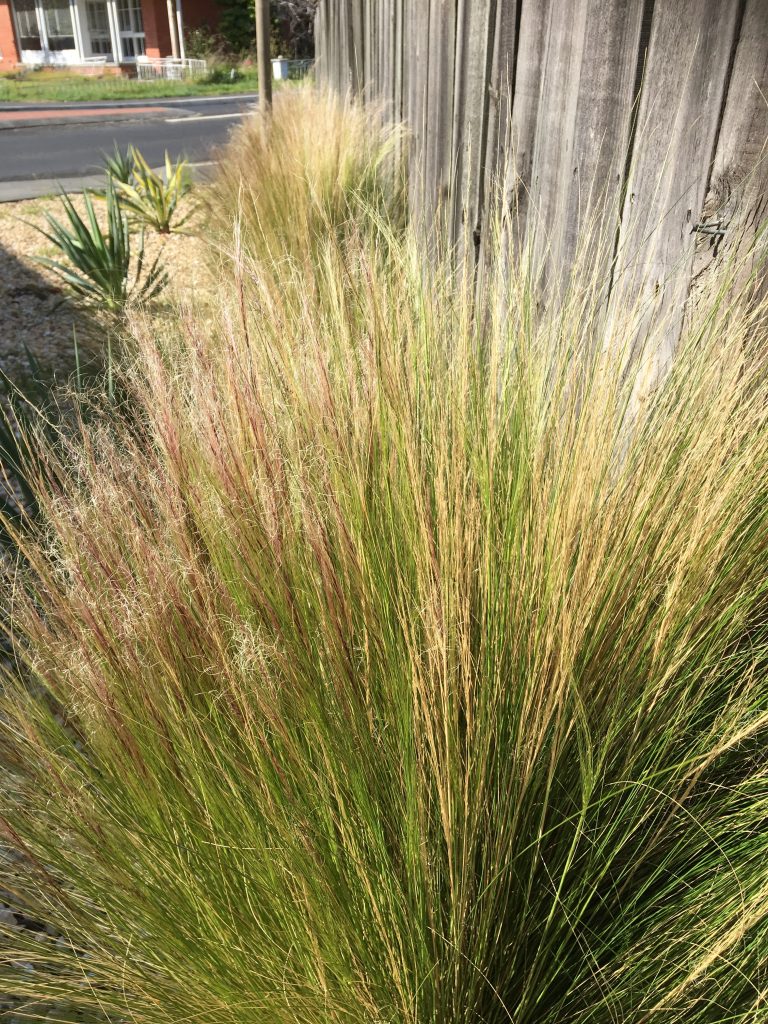
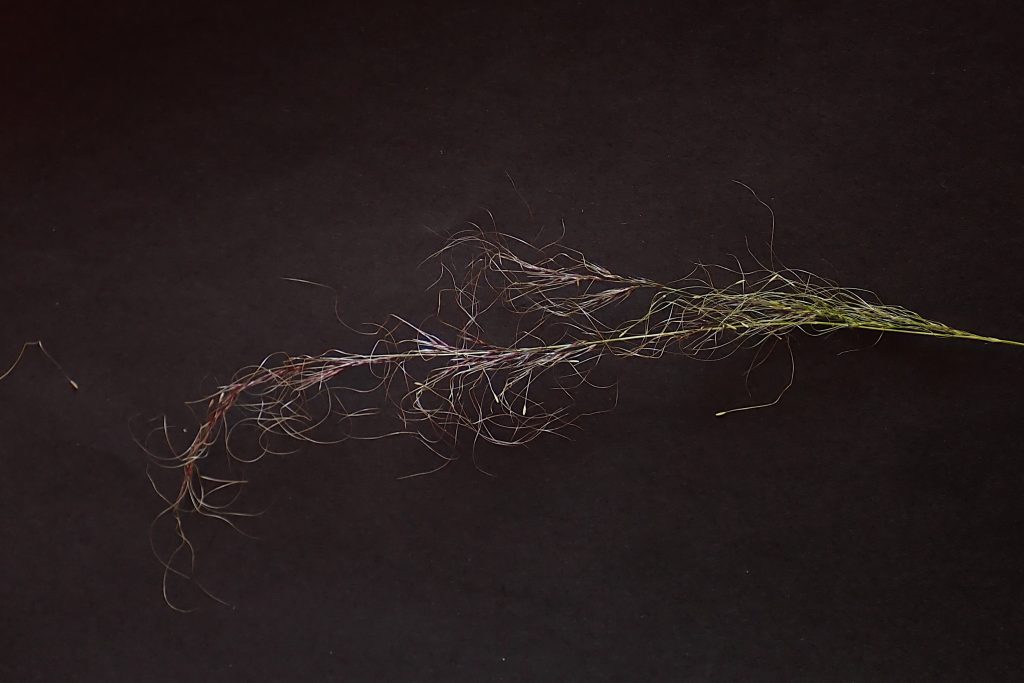
Photos above: Mexican feather grass in a bunch and Mexican feather grass in the water.
Report sightings immediately
If you think you have seen Texas or Chilean needle grass, please contact the Huon Valley Council’s Natural Resource Management Unit on (03) 6264 0300 or email nrm@huonvalley.tas.gov.au. Sending a photo with your report is especially helpful. Early detection and rapid response are essential to prevent these serious weeds from becoming established in the region.